A Season on Loan: The Quiet Revolution of Trying Your Gold Before You Commit to It
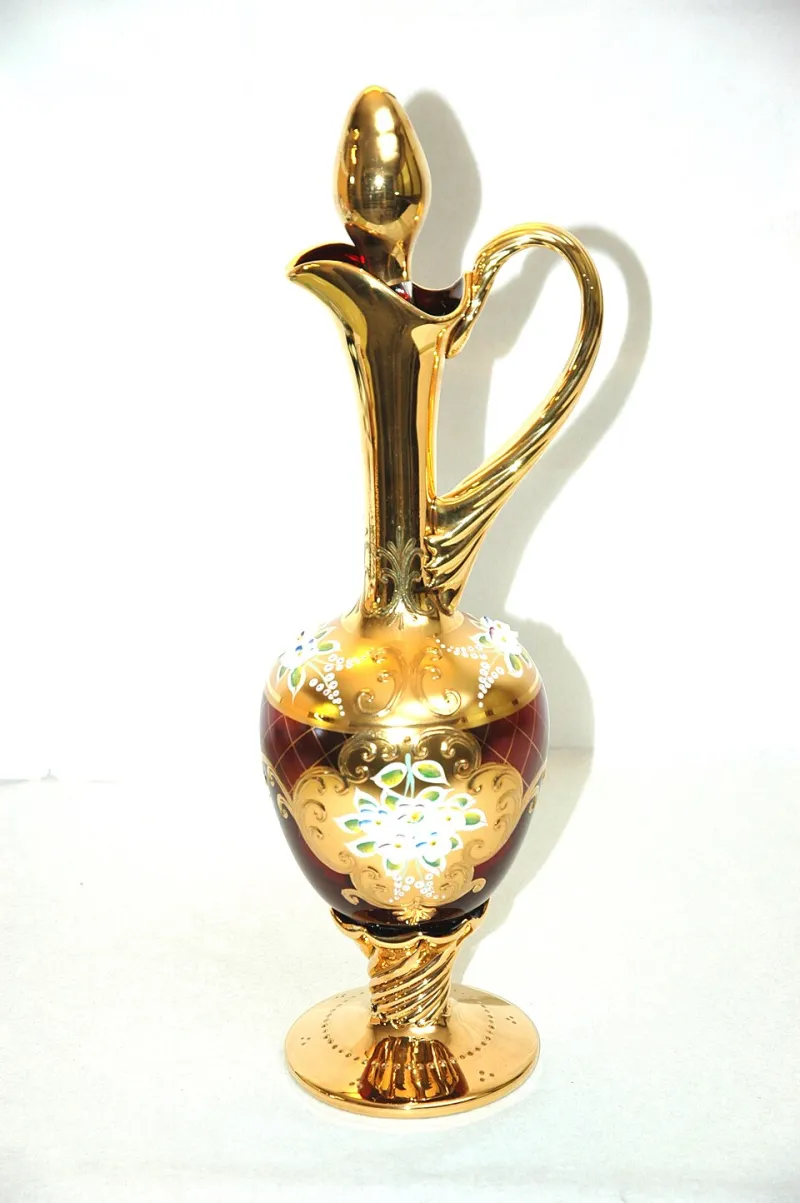
Photo: Azany Luxury, CC BY-SA 4.0, via Wikimedia Commons
There is a particular kind of confidence required to wear a sculpted, eighteen-karat collar piece to a charity gala in Palm Beach. There is an entirely different kind required to return it the following month.
Yet that is precisely what a growing circle of American collectors is doing. Through seasonal wear-before-you-own programs—JADA Dubai among the Gulf houses pioneering them—clients are borrowing museum-grade jewelry for weeks at a time, living with it under Florida sun and dinner-party light, before deciding whether to make it permanent. What began as a niche service has become something of a quiet movement, and it says more about the state of American luxury than any trend forecast could.
The Problem With Falling in Love at First Sight
Fine jewelry has always been sold on emotion. A piece catches the light across a boutique counter, the heart races, the card comes out. For a purchase that can rival a car in price, the decision is often made in under fifteen minutes.
Collectors know how this story tends to end. The collar that looked magnificent under boutique lighting reads differently against a linen shirtdress in daylight. The statement earring that felt fearless in Dubai feels heavy after the third wearing. Industry insiders have a phrase for the resulting drawer of regretted acquisitions: the vault of good intentions.
Trial ownership exists to prevent exactly that. Rather than deciding in a single afternoon, the client takes the piece home—sometimes across an ocean—and lets ordinary life render its verdict.
How the Season-Long Loan Actually Works
The mechanics are more formal than the word "borrowing" suggests. A collector selects a statement piece—often a major goldwork collar, a hand-engraved cuff, or a chandelier earring suite—and enters a seasonal loan agreement. Insurance documentation, valuation certificates, and condition reports are handled before the piece ever leaves Dubai.
The loan typically runs one season: a winter in Palm Beach, a summer in the Hamptons. Should the client choose to purchase, a meaningful portion of the loan fee is credited toward the sale price. Should she return it, the piece comes back with its provenance enriched—though most, houses report, do not come back at all.
"The return rate tells you everything," one atelier director notes. "A woman who wears a piece for ninety days and gives it back was never going to love it. A woman who wears it for ninety days and cannot part with it has made the only honest decision of her collecting life."
Why Palm Beach, Specifically
It is no accident that this model found its most enthusiastic American audience in Florida's most jewelry-literate zip code. Palm Beach collectors are over-served by luxury—they can buy anything, anywhere—and that abundance has bred a certain selectivity. When everything is available, the scarce commodity becomes certainty.
The town's social calendar also happens to be the perfect proving ground. A borrowed collar can attend the Red Cross Ball, a luncheon on Worth Avenue, a dinner in Palm Beach proper, and a weekend on the boat. No single occasion decides the matter; the accumulation does. By season's end, the collector knows whether the piece is an occasional novelty or a genuine companion.
There is a subtler appeal, too. In a community where everyone owns everything, wearing a piece that is not yet yours carries a certain insider frisson—a private joke between the woman and the jewelry.
What Trial Ownership Reveals About Luxury Today
Beneath the logistics lies a genuine shift in attitude. The previous generation of luxury marketing insisted that desire should be instant and commitment should be forever. Today's most sophisticated collectors have grown skeptical of both propositions.
They have watched the resale market mature, seen their mothers' jewelry repurposed rather than worn, and concluded that a purchase made in haste is not romantic—it is wasteful. The wear-before-you-own model reframes commitment not as impulsiveness but as evidence. You do not promise the piece; the piece proves itself.
Gulf houses are unusually suited to this arrangement, and not only because of their craftsmanship. Dubai's position as a crossroads city—serving clients from Mumbai to Mayfair—has long made its ateliers comfortable with remote relationships, international logistics, and clients who demand documentation before sentiment. A loan program that would give a Fifth Avenue salon palpitations is, in the Gulf, simply good hospitality extended across a distance.
The Verdict After the Season Ends
The most interesting outcome of these programs is not the conversion rate, which is high, but what happens to the client afterward. Collectors who have lived with a piece before buying it report a different relationship with the purchase itself. There is no post-purchase doubt, no second-guessing in the mirror. The piece arrives already broken in—not physically, but emotionally.
It is, in its way, the most old-fashioned idea in luxury: that quality reveals itself over time, and that a confident woman does not need to be rushed. Dubai's goldsmiths have known this for generations. Palm Beach, it seems, is finally catching up—one borrowed season at a time.