Commissioned, Not Purchased: The Quiet Luxury of Waiting for What's Yours
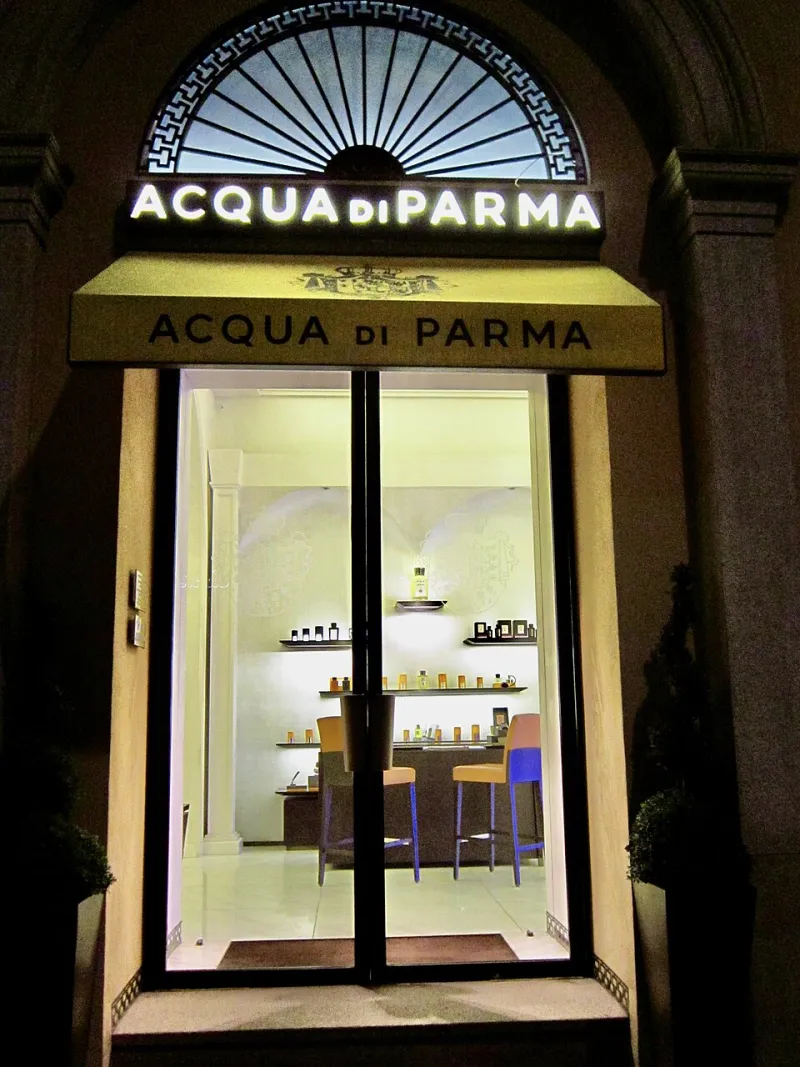
Photo: Ank Kumar, CC BY-SA 4.0, via Wikimedia Commons
There is a moment, familiar to every American shopper, when the tracking notification arrives and the package sits on the doorstep within forty-eight hours of a midnight impulse. It is efficient. It is frictionless. And increasingly, it feels like nothing at all.
Now consider a different timeline entirely. A client walks into a Dubai atelier in October. Her gown—a hand-embroidered piece in deep emerald silk, its bodice worked with motifs drawn from the mashrabiya screens of old Al Fahidi—will not be ready until spring. She is told this on the first day, and she is told it without apology. Nobody at the house considers this a delay. They consider it the work.
The Anti-Timeline
The Gulf's luxury tradition was never built on speed. Before the malls, before the duty-free counters, there were the souk workshops where a bride's jewelry might occupy a goldsmith for an entire season, and where no one thought to ask why. The answer was self-evident: because the piece deserved it, and because the woman who would wear it deserved it too.
Dubai's modern couture houses have inherited this ethic and made it deliberate. Production schedules are built around embroidery seasons, around the availability of specific artisans, around the slow chemistry of natural dyes. A fitting may be scheduled, rescheduled, and scheduled again—not because the house is disorganized, but because the garment is not finished becoming itself. Rushing it, the reasoning goes, would be like serving a wedding feast before the bread has risen.
To an American eye trained on two-day shipping and same-season drops, this can read as maddening. To a growing number of US collectors, it reads as the last honest thing in fashion.
Scarcity You Can Feel
Luxury has always trafficked in scarcity, but the scarcity of the modern luxury market is largely manufactured: limited drops, waitlists, algorithmic urgency. The scarcity of a commissioned garment is different. It is the scarcity of human hours—hundreds of them, stitched into a hem. You cannot scale it, and you cannot counterfeit it convincingly.
This is why a particular phrase has begun circulating among American collectors: commissioned, not purchased. It signals that a piece did not arrive from a warehouse in New Jersey. It signals that somewhere, a pattern cutter knows your shoulders. It signals time—and time, as any economist will tell you, is the one commodity the wealthy cannot buy more of, except, perhaps, in the form of a garment that took six months to make.
Consider the cultural moment. The same shoppers who once celebrated overnight delivery are now paying premiums for slow-made denim, hand-thrown ceramics, and bespoke tailoring with six-month lead times. The pendulum has swung. In an economy where everything arrives instantly, the only true indulgence left is anticipation.
What the Wait Does to the Clothes
Here is what the timeline actually buys, beyond romance:
Hand-finishing at every stage. Speed forces shortcuts; patience permits perfection. A slow atelier can afford to redo a sleeve that a fast one would ship with a note and a discount code.
Materials chosen at their peak. Silks are selected from specific lots. Threads are dyed to order. Nothing sits in inventory, because nothing is made for inventory.
A garment that fits a life, not a size chart. Multiple fittings mean the piece is adjusted to how you actually move, sit, and stand—not a mannequin's proportions.
A story with a beginning. Every commissioned piece has a first meeting, a sketch, a moment of decision. Mass-market purchases have a cart and a checkout. Only one of these makes for a good story at dinner parties ten years from now.
The American Convert
The most telling shift is happening among US clients who could buy anything, instantly, and have simply stopped wanting to. They are the women of Palm Beach and Tribeca who have done the Fifth Avenue circuit and found it hollow—dressed identically to a thousand strangers by morning. What they want now is provenance, patience, and the peculiar satisfaction of knowing their gown is currently in the hands of an embroiderer in Al Quoz who has been working on it for eleven weeks.
There is a discipline to it, too. Commissioning forces a kind of intentionality that shopping never demands. You do not order a bespoke piece on a whim. You think about it. You return to the idea. By the time the garment is finished, you have already lived with it for months—and that is why it stays in your wardrobe for decades, while the impulse purchases cycle out with the seasons.
Learning to Wait Well
For those new to the commission model, a few courtesies from the Gulf side of the process:
- Ask about the timeline honestly, then respect it. Inquiring weekly about progress is considered, in the tradition, a small insult to the artisan.
- Plan around the milestone, not the calendar. The house will tell you when it matters. Trust that.
- Attend the fittings as rituals, not inspections. The relationship between client and atelier is a partnership; treat it like one.
- Understand that the wait is the product. You are not paying for a dress and receiving a delay. You are paying for the delay and receiving a dress.
There is a line often repeated in the workshops of Dubai: gold does not hurry, and neither should the hands that shape it. American fashion is only now learning what the Gulf never forgot—that the finest things arrive on their own schedule, and that the woman willing to wait for them is telling the world something no logo ever could.